CREATED A STRATEGIC B2B WEBSITE FOR A MARTECH CONSULTING FIRM
Intro
I developed a new Webflow site for a MarTech consultancy to modernize their brand and simplify their complex offerings.
Note: Since the project’s completion, the agency has merged with another firm and the site is no longer live. Therefore, this case study focuses on my strategic process, information architecture, and the structures that defined the final solution.
I developed a new Webflow site for a MarTech consultancy to modernize their brand and simplify their complex offerings.
Note: Since the project’s completion, the agency has merged with another firm and the site is no longer live. Therefore, this case study focuses on my strategic process, information architecture, and the structures that defined the final solution.
Project
Work
My role
Web Design & CMS Strategy
Intro

Process
The Challenge
The client, a specialist MarTech agency, faced a common B2B hurdle: their digital presence was too technical. While they were experts in CRM and lead management, their website felt like a manual rather than a partner. The Goal: Transition from a "technical vendor" image to a "strategic growth partner" for enterprise ecosystems like Salesforce and Microsoft.
Strategy
As the lead designer, I had to balance high strategic demands with a lean timeline. We chose Webflow to ensure a high-end visual result with a great CMS. To maximize efficiency, I utilized a professional foundation/template. This wasn't a shortcut, but a strategic decision: by not rebuilding basic components from scratch, I could dedicate 80% of the budget to Information Architecture and Content Strategy, where the real business value lies.
The Design Solution
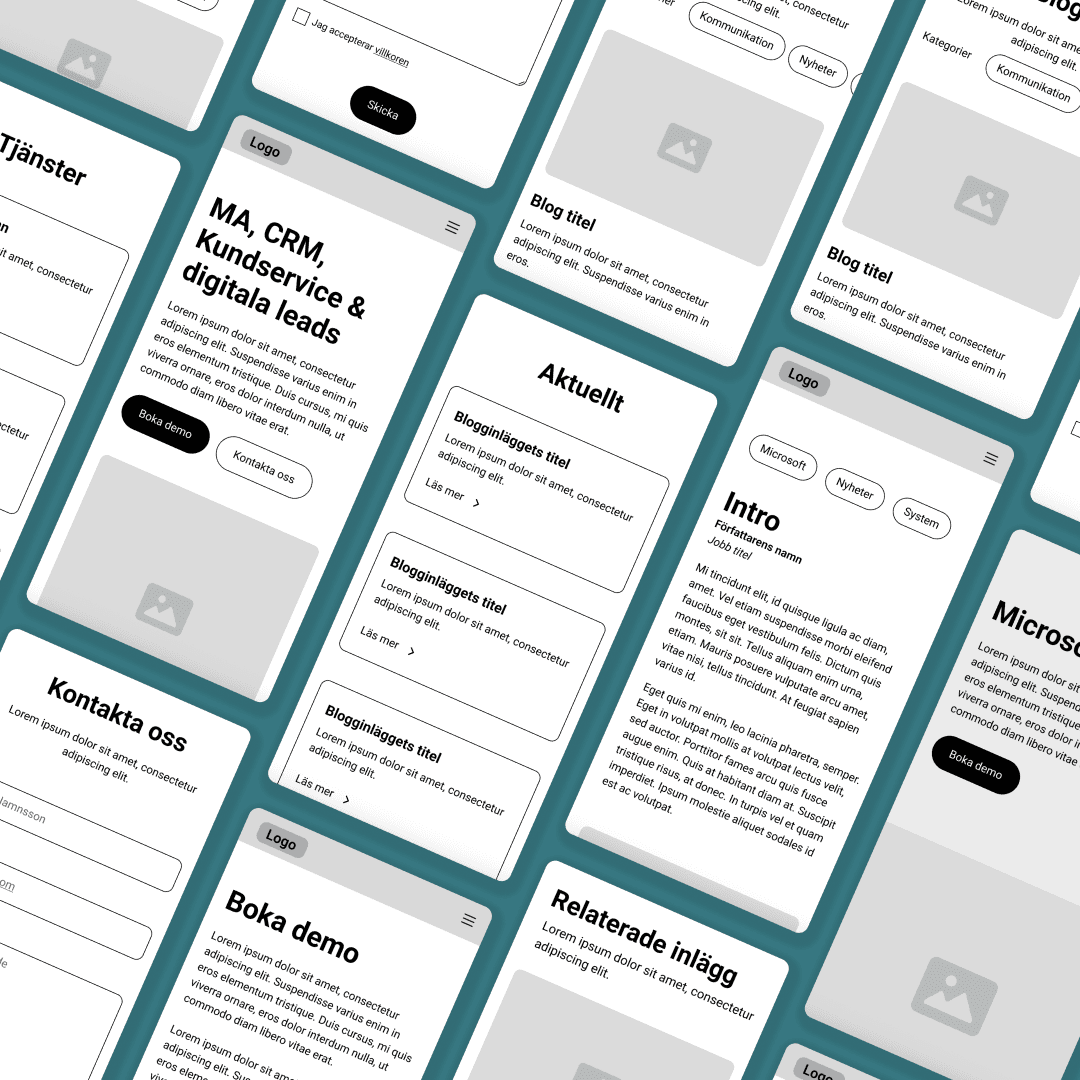
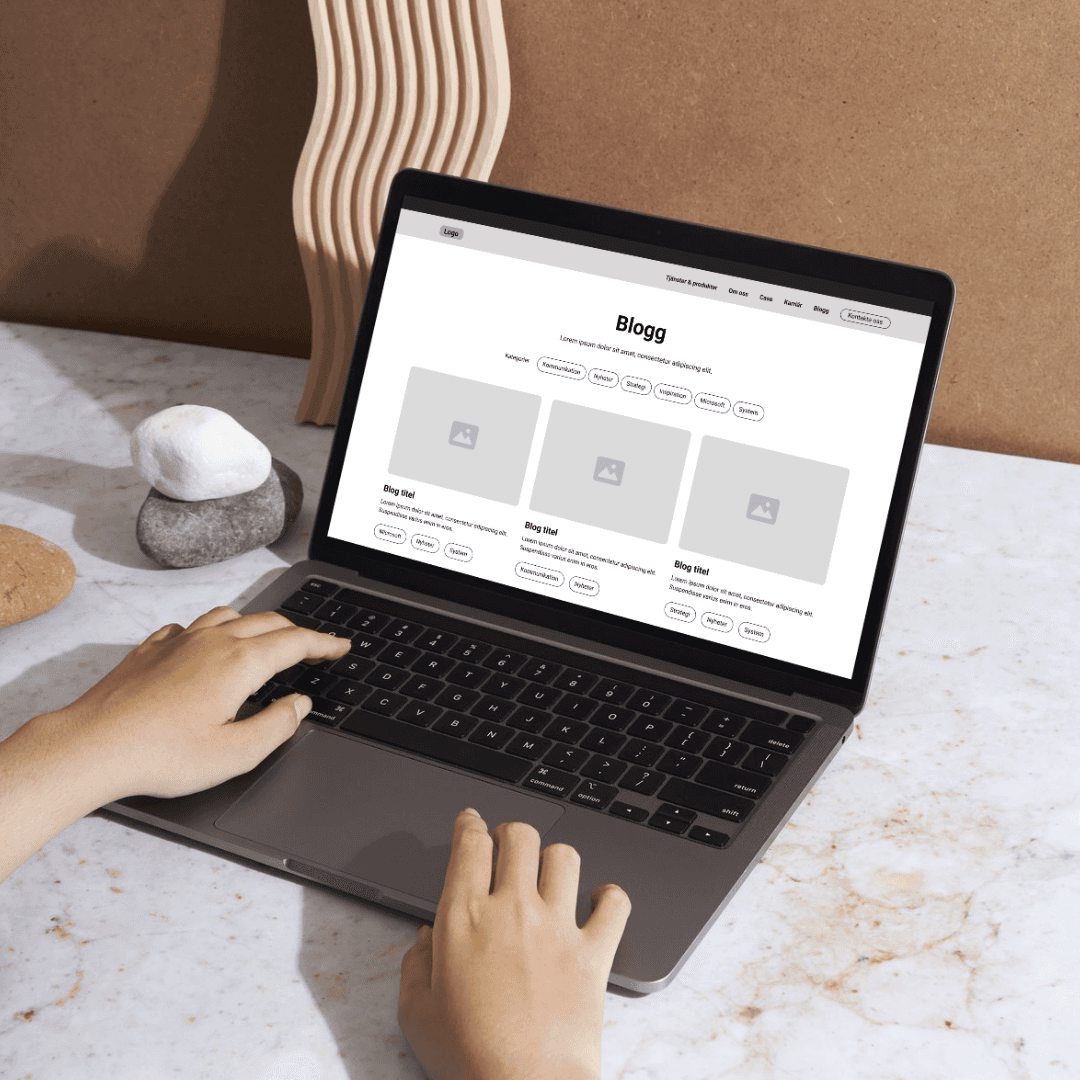
Strategy & Design Choices: The design prioritizes a clean visual hierarchy to make complex MarTech strategies accessible. By using professional typography, a muted palette, and ample white space, I established a trustworthy environment for enterprise clients.
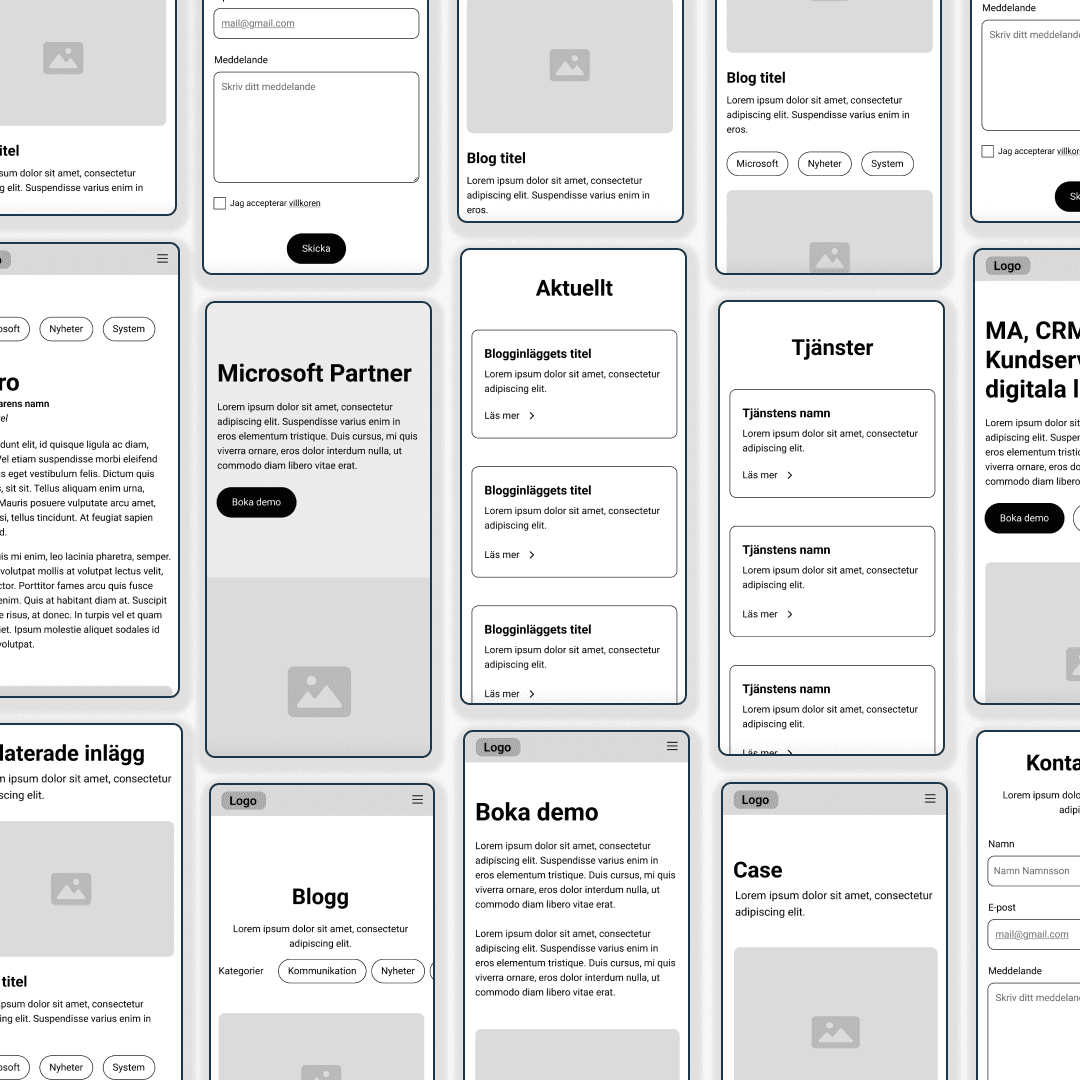
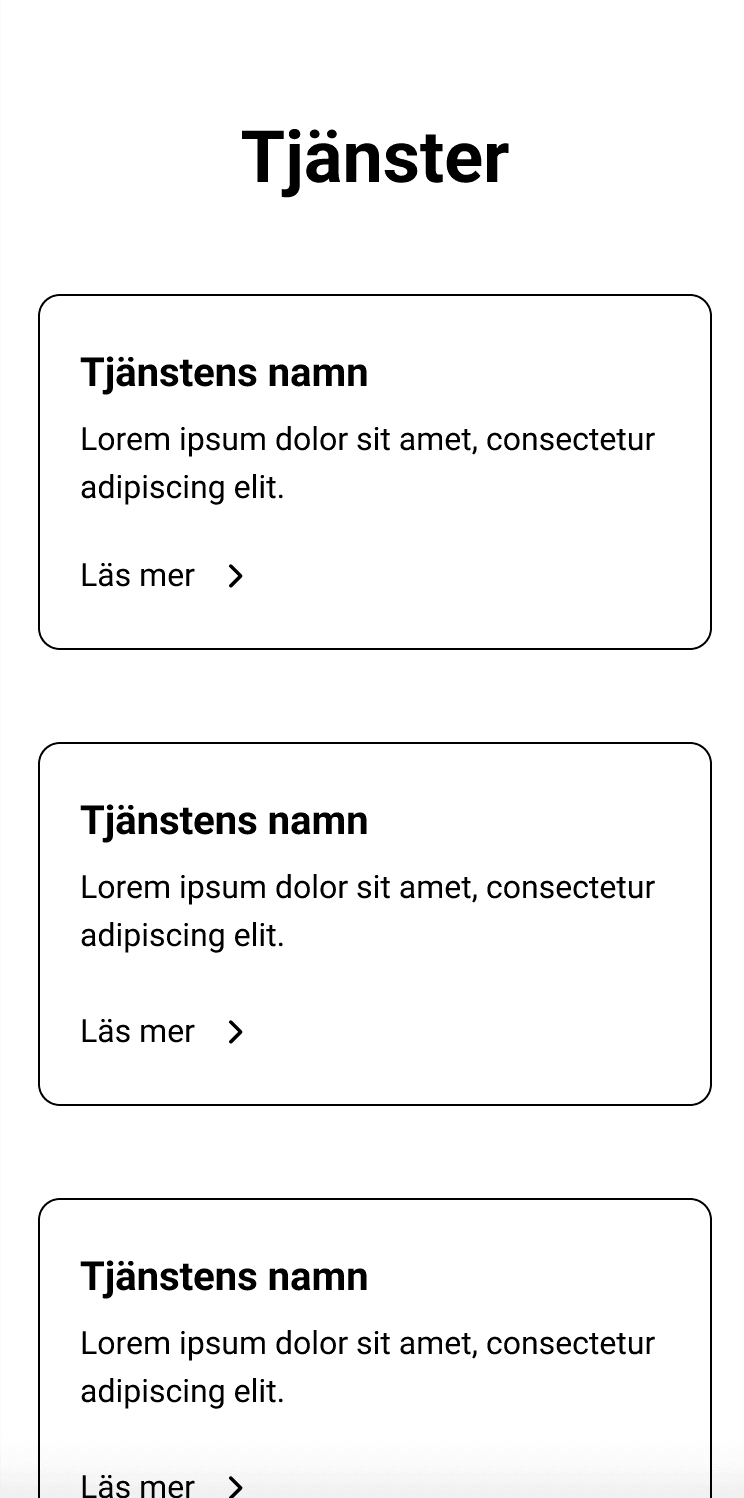
Categorization & Card Design: A key decision was separating services from products to clarify the agency’s dual role. I used a card-based layout to:
Create a consistent visual rhythm for better scannability.
Reduce cognitive load by packaging technical data into manageable components.
Provide clear entry points for deeper exploration.
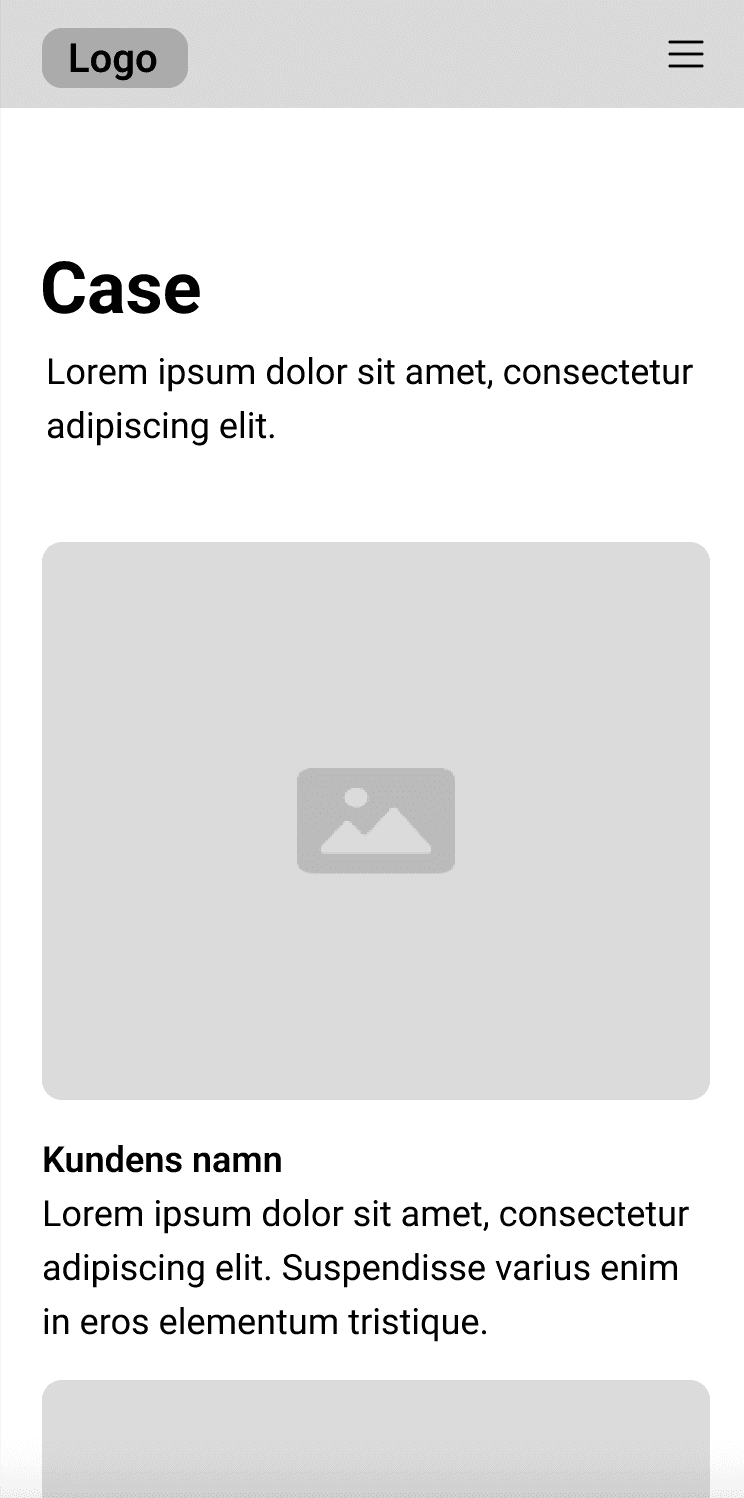
Pedagogical User Journey: Instead of static feature lists, sub-pages follow a logical, step-by-step sequence. By breaking down work processes into visual blocks, I made complex technical implementations feel approachable and easy to follow.
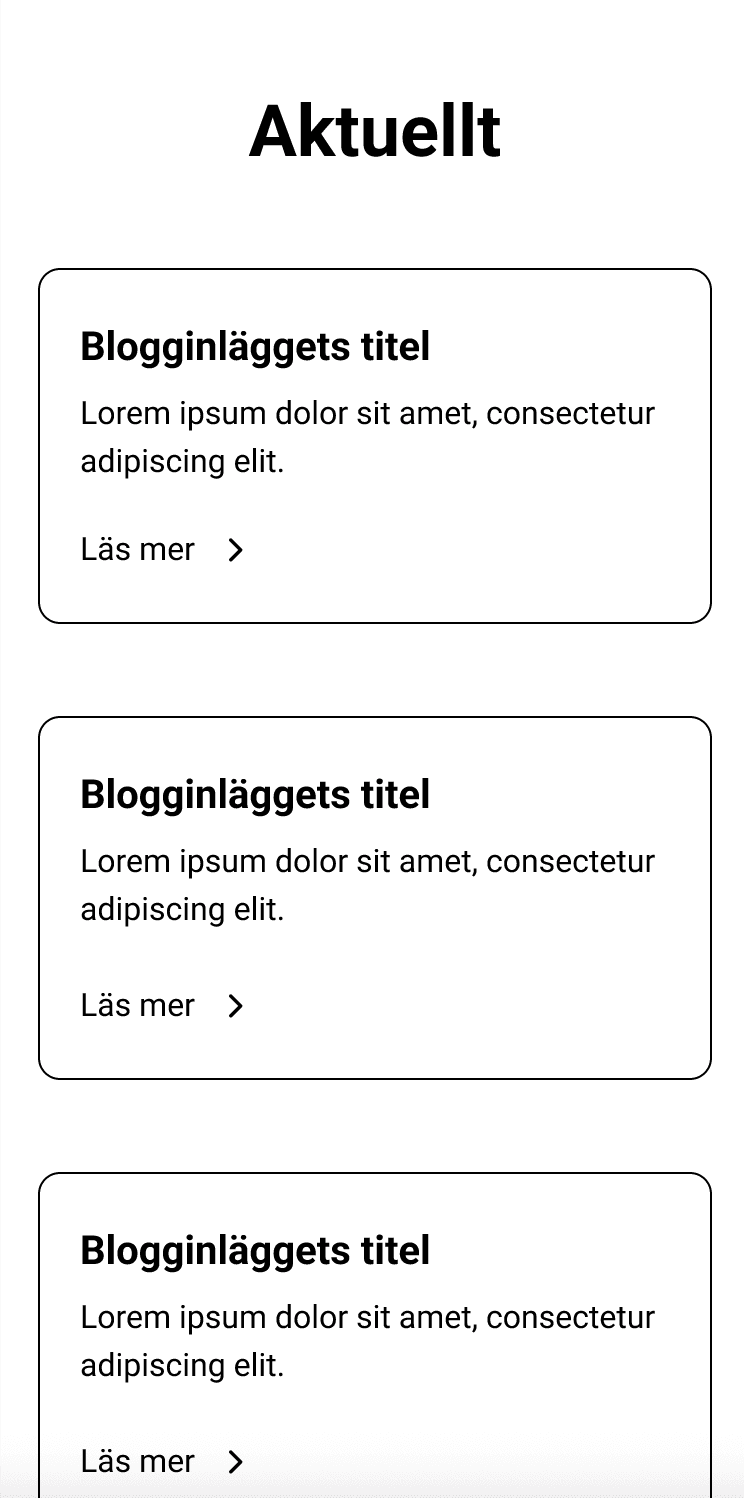
Trust through Information Architecture: I leveraged a structured CMS to turn insights and case studies into "social proof." A clean grid layout for the blog and guides enhances readability, positioning the agency as a thought leader and building client trust before the first point of contact.
Process
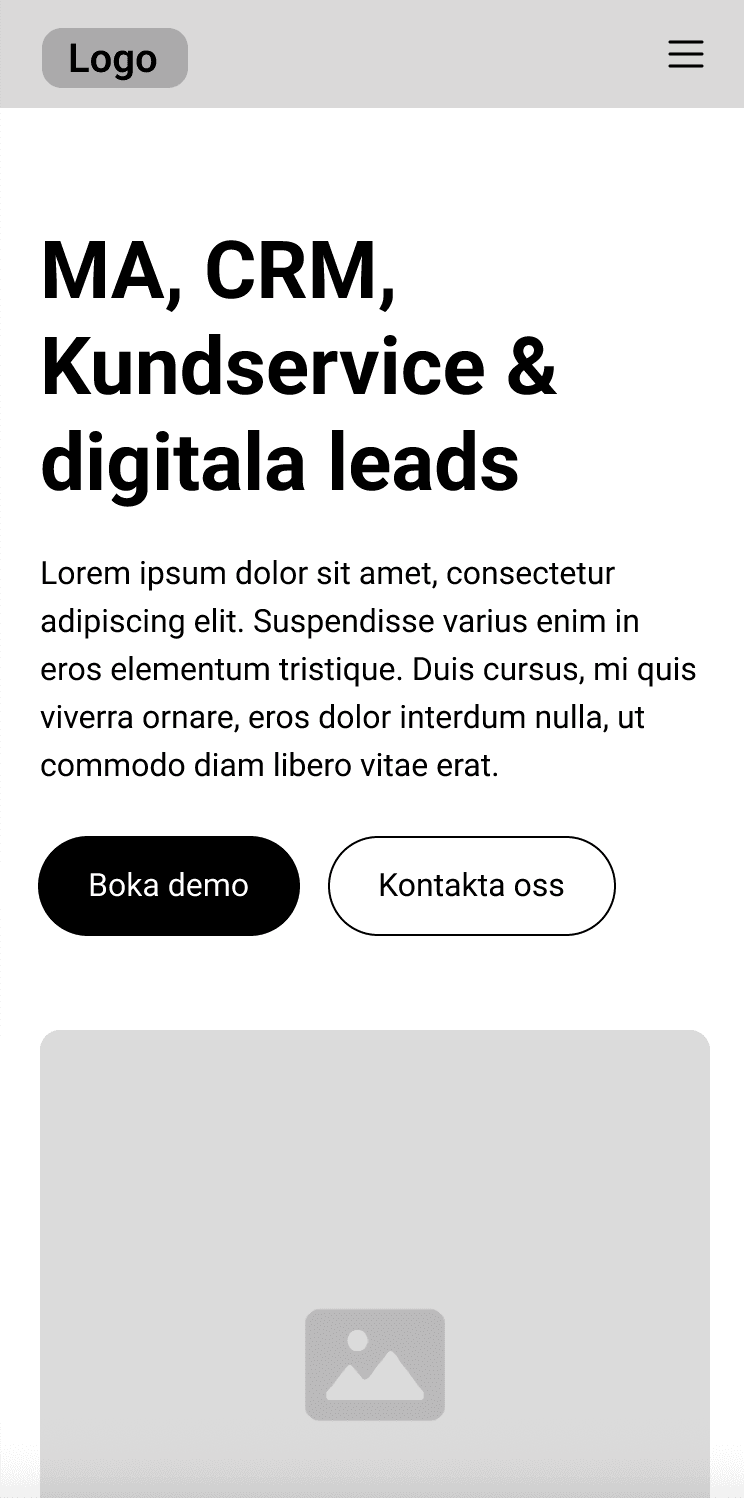
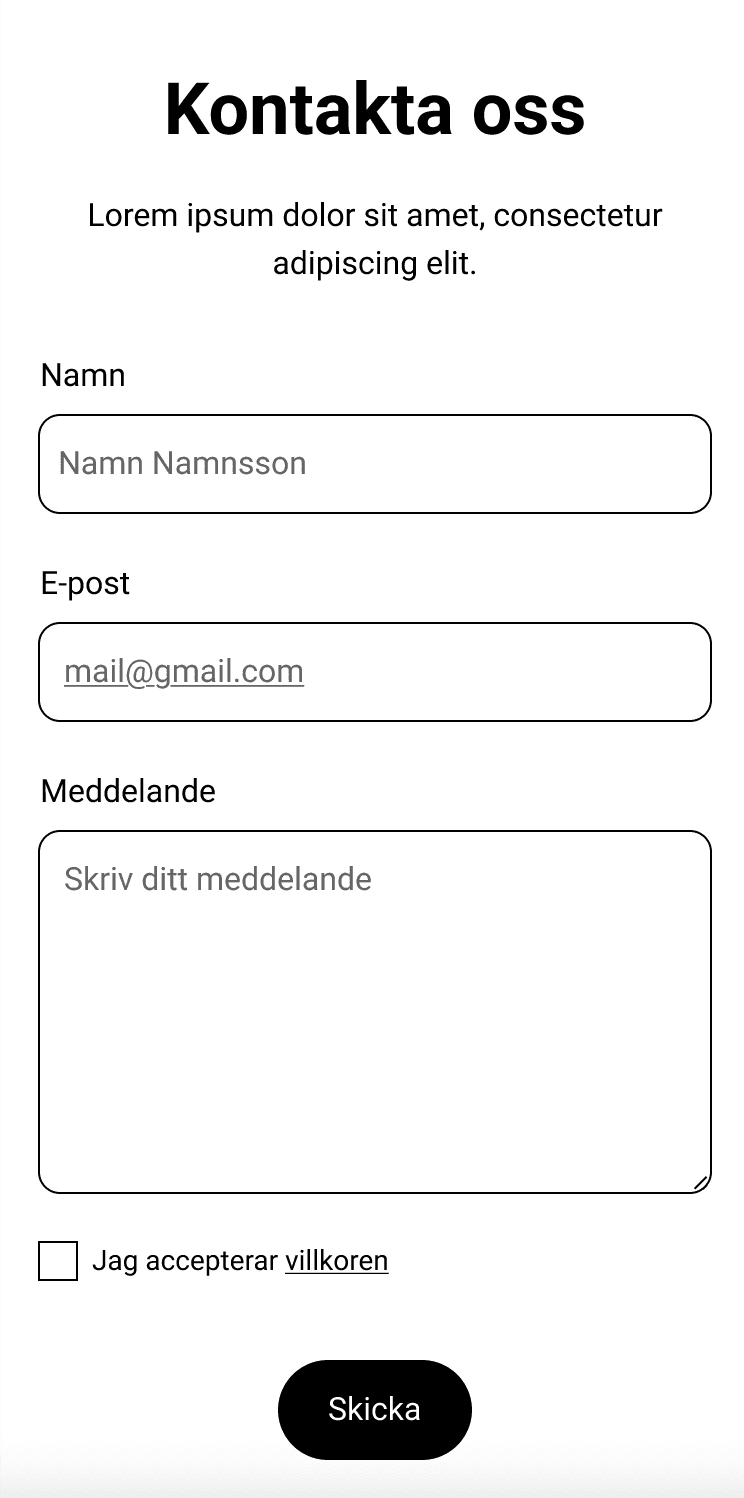
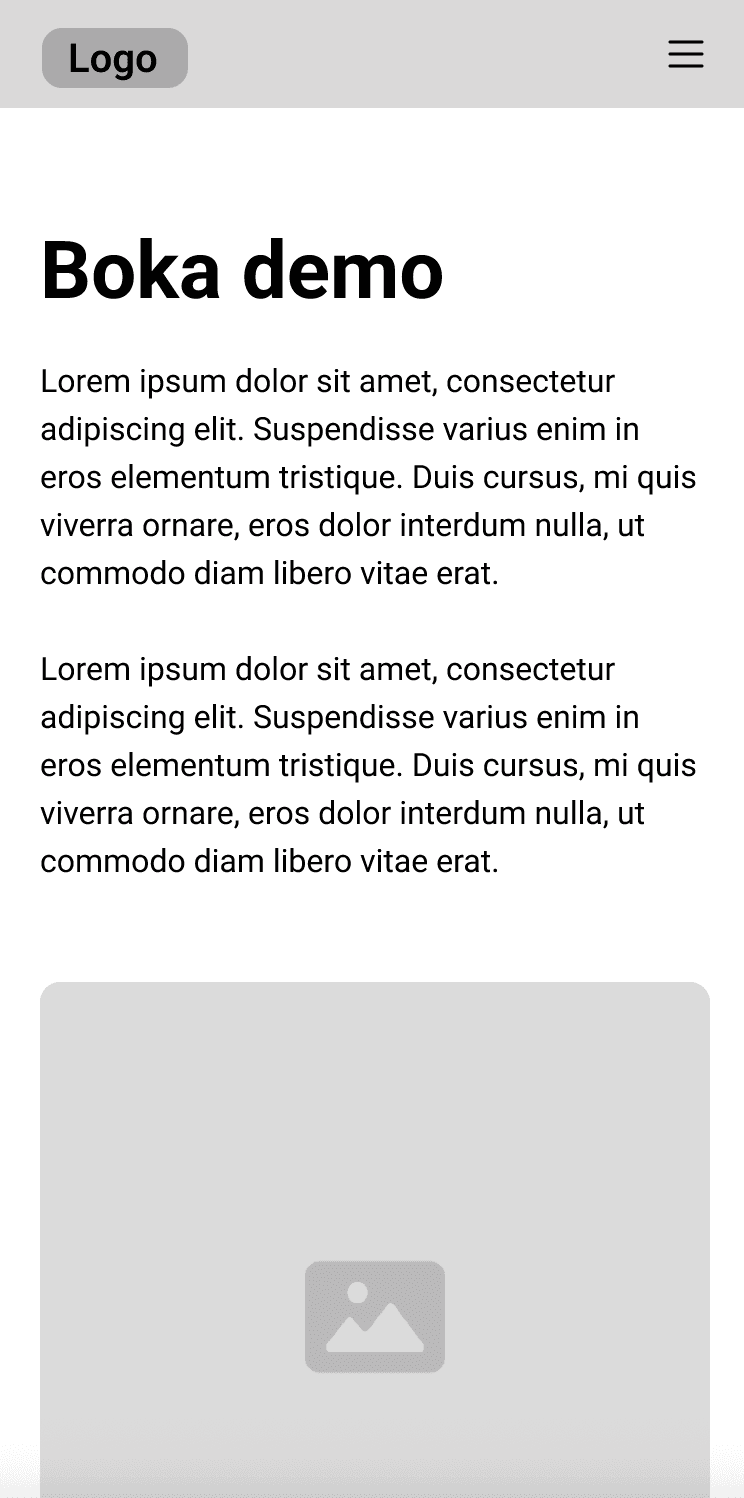
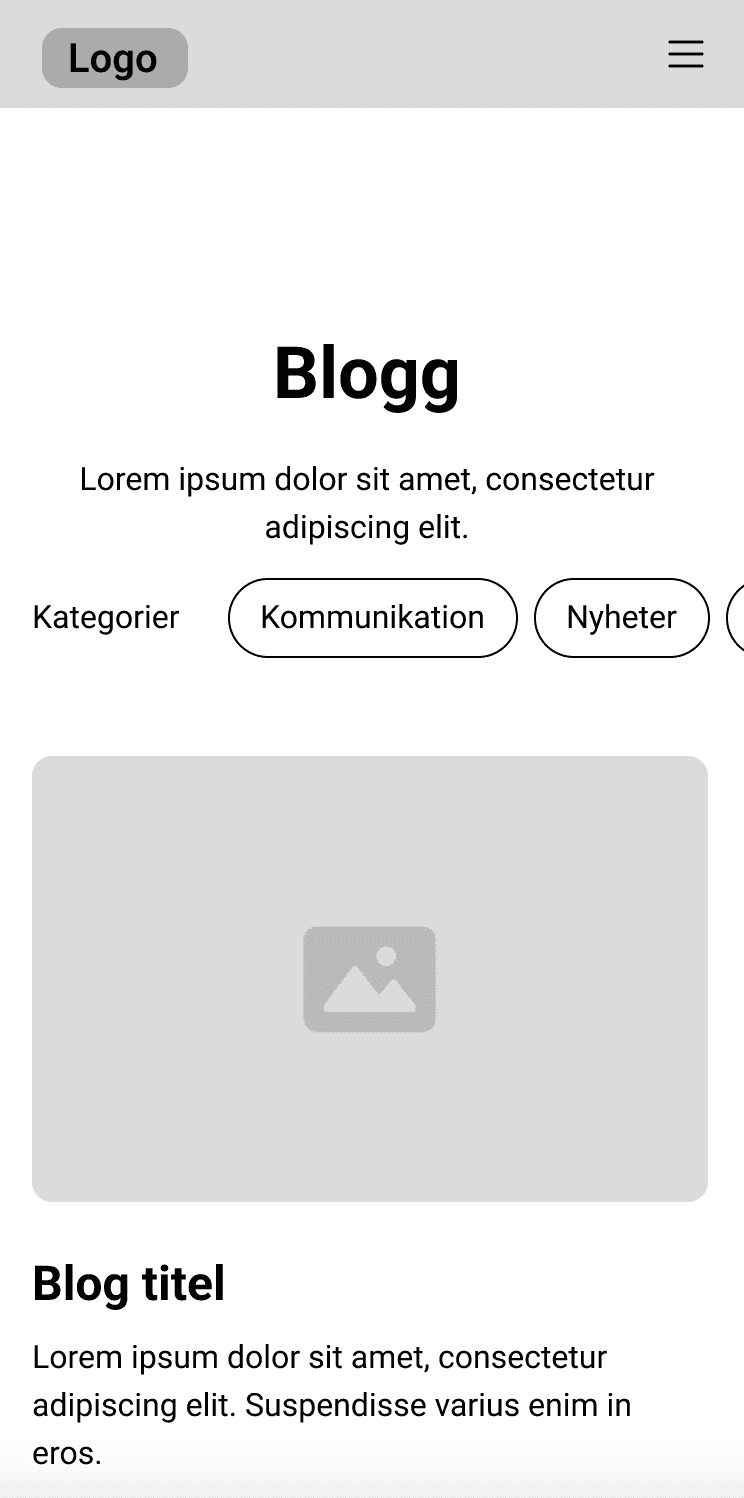
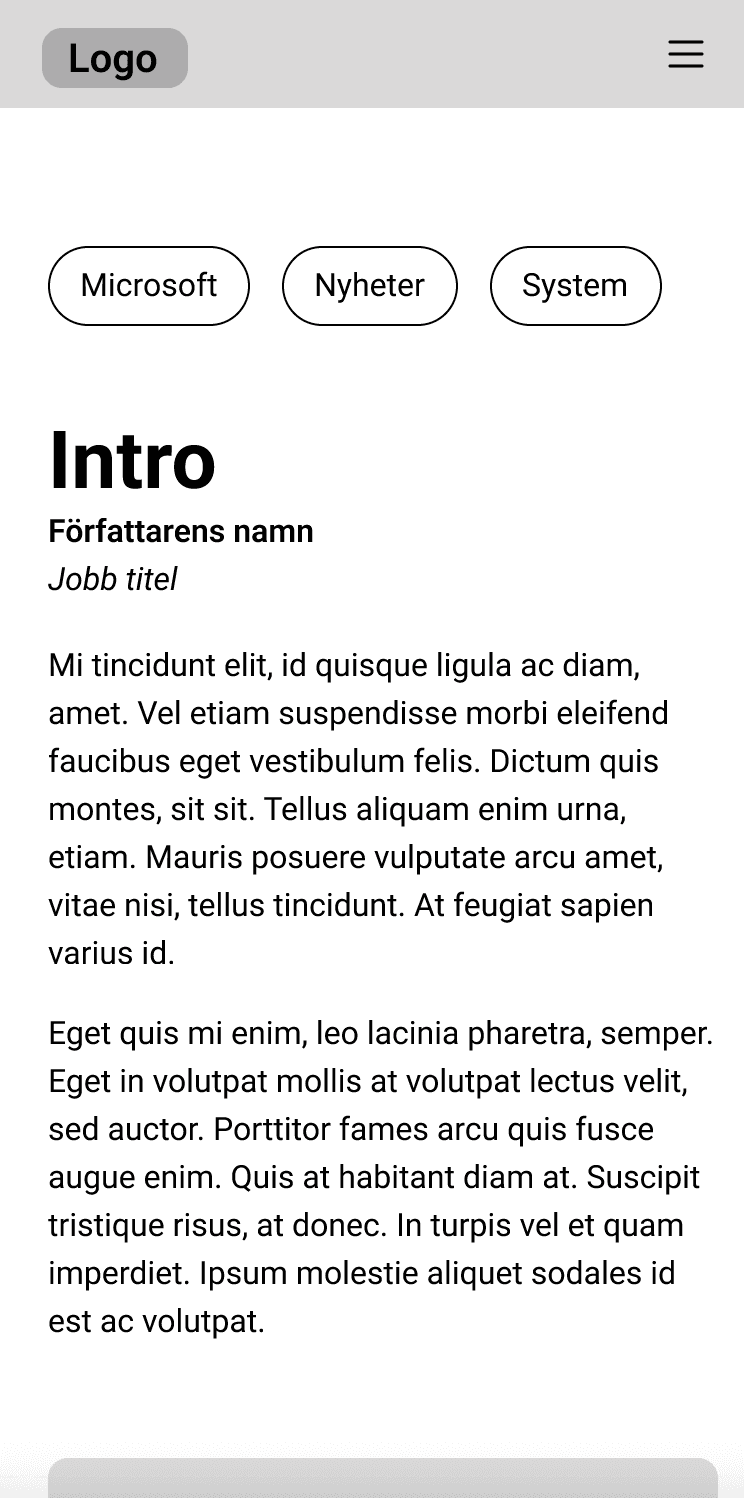
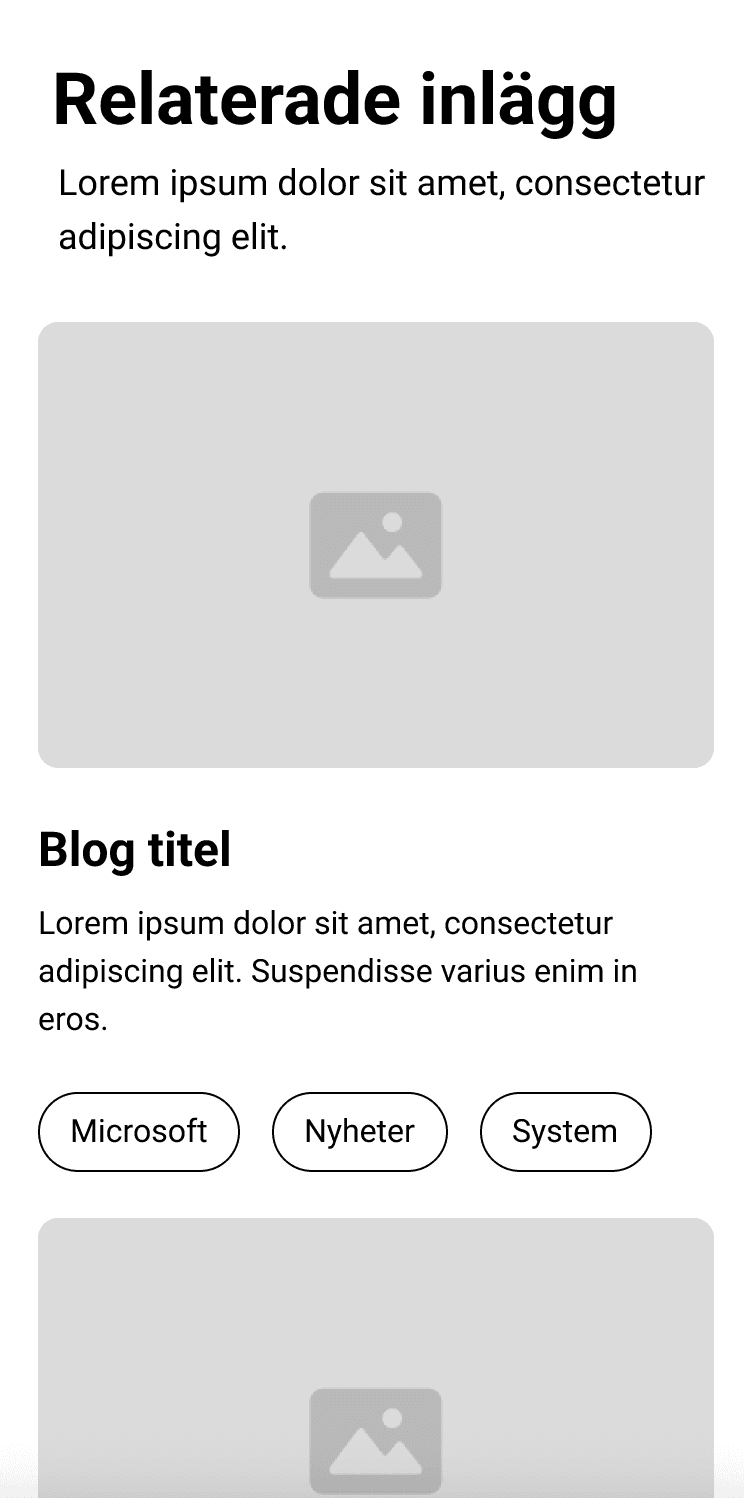
Execution & Wireframes
Note on Process: Even though the live site has since been sunset due to the company's merger, these wireframes represent the strategic blueprint. The project was providing a stable and professional platform that supported the agency’s growth. The agency merger in 2025 with another company.

Sketches
Note on Process: Even though the live site has since been sunset due to the company's merger, these wireframes represent the strategic blueprint. The project was providing a stable and professional platform that supported the agency’s growth. The agency merger in 2025 with another company.
Results & Reflection
Key Takeaway: As a designer, my value wasn't just "making things pretty”, it was acting as a translator between complex technology and human business needs.
The Lesson: This project taught me the power of leveraging existing frameworks (templates) to solve unique problems. It’s about knowing where to spend your creative energy to get the best results for the client.
NEXT PROJECT
Results & Reflective Learning
Key Takeaway: As a designer, my value wasn't just "making things pretty”, it was acting as a translator between complex technology and human business needs.
The Lesson: This project taught me the power of leveraging existing frameworks (templates) to solve unique problems. It’s about knowing where to spend your creative energy to get the best results for the client.
Let's start creating together
Process
Let's start creating together
Let's start creating together
NEXT PROJECT
NEXT PROJECT
The Challenge
The client, a specialist MarTech agency, faced a common B2B hurdle: their digital presence was too technical. While they were experts in CRM and lead management, their website felt like a manual rather than a partner. The Goal: Transition from a "technical vendor" image to a "strategic growth partner" for enterprise ecosystems like Salesforce and Microsoft.
Strategy & Efficiency
As the lead designer, I had to balance high strategic demands with a lean timeline.
We chose Webflow to ensure a high-end visual result with a great CMS. To maximize efficiency, I utilized a professional foundation/template. This wasn't a shortcut, but a strategic decision: by not rebuilding basic components from scratch, I could dedicate 80% of the budget to Information Architecture (IA) and Content Strategy, where the real business value lies.
The Design Solution
Strategy & Design Choices: The design prioritizes a clean visual hierarchy to make complex MarTech strategies accessible. By using professional typography, a muted palette, and ample white space, I established a trustworthy environment for enterprise clients.
Categorization & Card Design: A key decision was separating services from products to clarify the agency’s dual role. I used a card-based layout to:
Create a consistent visual rhythm for better scannability.
Reduce cognitive load by packaging technical data into manageable components.
Provide clear entry points for deeper exploration.
Pedagogical User Journey: Instead of static feature lists, sub-pages follow a logical, step-by-step sequence. By breaking down work processes into visual blocks, I made complex technical implementations feel approachable and easy to follow.
Trust through Information Architecture: I leveraged a structured CMS to turn insights and case studies into "social proof." A clean grid layout for the blog and guides enhances readability, positioning the agency as a thought leader and building client trust before the first point of contact.
The Challenge
The client, a specialist MarTech agency, faced a common B2B hurdle: their digital presence was too technical. While they were experts in CRM and lead management, their website felt like a manual rather than a partner. The Goal: Transition from a "technical vendor" image to a "strategic growth partner" for enterprise ecosystems like Salesforce and Microsoft.
Strategy & Efficiency
As the lead designer, I had to balance high strategic demands with a lean timeline.
We chose Webflow to ensure a high-end visual result with a great CMS. To maximize efficiency, I utilized a professional foundation/template. This wasn't a shortcut, but a strategic decision: by not rebuilding basic components from scratch, I could dedicate 80% of the budget to Information Architecture (IA) and Content Strategy, where the real business value lies.
The Design Solution
Strategy & Design Choices: The design prioritizes a clean visual hierarchy to make complex MarTech strategies accessible. By using professional typography, a muted palette, and ample white space, I established a trustworthy environment for enterprise clients.
Categorization & Card Design: A key decision was separating services from products to clarify the agency’s dual role. I used a card-based layout to:
Create a consistent visual rhythm for better scannability.
Reduce cognitive load by packaging technical data into manageable components.
Provide clear entry points for deeper exploration.
Pedagogical User Journey: Instead of static feature lists, sub-pages follow a logical, step-by-step sequence. By breaking down work processes into visual blocks, I made complex technical implementations feel approachable and easy to follow.
Trust through Information Architecture: I leveraged a structured CMS to turn insights and case studies into "social proof." A clean grid layout for the blog and guides enhances readability, positioning the agency as a thought leader and building client trust before the first point of contact.
Execution &
Wireframes
Note on Process: Even though the live site has since been sunset due to the company's merger, these wireframes represent the strategic blueprint. The project was providing a stable and professional platform that supported the agency’s growth. The agency merger in 2025 with another company.
Results & Reflective
Learning
Key Takeaway: As a designer, my value wasn't just "making things pretty”, it was acting as a translator between complex technology and human business needs.
The Lesson: This project taught me the power of leveraging existing frameworks (templates) to solve unique problems. It’s about knowing where to spend your creative energy to get the best results for the client.